Knee Sleeves: Why They Feel Good and What They Don’t Fix
Knee Injuries

Knee braces and sleeves are common treatments for knee pain. But do they work all the time?
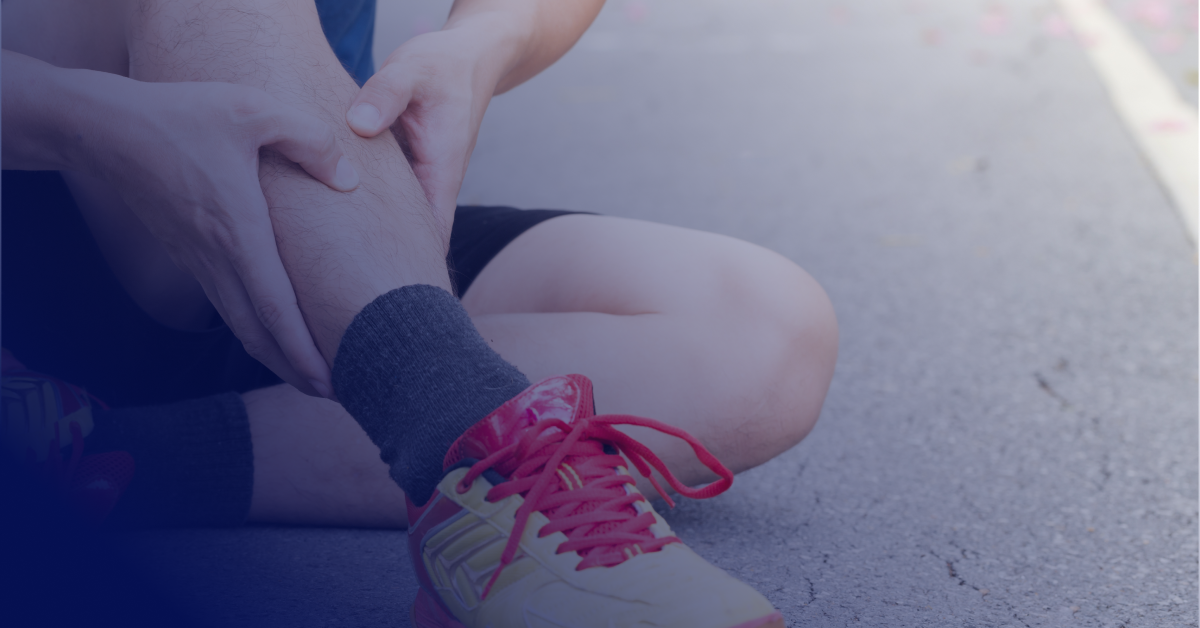
New Yorkers begin their day walking to the subway and end it by playing a pick-up game of basketball or running on a track. All great ways to stay active and fit. At the same time, those activities put a lot of stress on their knees. And that can sometimes lead to knee pain.
To relieve discomfort and stiffness, New Yorkers often turn to a knee brace or sleeve for added support to the joint as they go about their day. But is that the best choice? Knee braces and sleeves have pluses and minuses.
What a knee brace does
Knee braces and sleeves serve as orthopedic assistive devices. They are mostly used as a temporary aid combined with other therapies for pain relief and joint damage.
A knee brace or sleeve can:
- Immobilize the knee after injury or surgery to promote healing
- Reduce pain by restricting aggravating movements
- Take pressure off the joint to repair soft tissue or ligament damage
- Control swelling and pain from arthritis or injury
- Stabilize the joint during sports or workouts
Do knee braces work?
Research supports the effectiveness of knee braces and sleeves. One study found knee bracing increased movement and reduced pain after a non-operative posterior cruciate ligament (PCL) injury. Another study concluded knee sleeves were helpful in improving gait, balance, and function in knees with arthritis. However, much depends on selecting the right type of brace or sleeve for your particular injury or condition.
Types of knee braces
You can choose either a knee brace made of solid metal or plastic with an adjustable hinge, or a tight elastic knee sleeve. Some can be bought off-the-shelf or customized to your knee size. Just make sure the brace or sleeve doesn’t pinch and is comfortable on your leg. Ask a physical therapist or orthopedist for recommendations.
- Functional knee braces prevent irritating knee movements after an injury.
- Immobilizer braces support the knee after injury or surgery, but are stiffer than other types of knee braces.
- Patellofemoral knee braces are designed specifically to protect and support the kneecap.
- Unloader knee braces take pressure off the knee and shift your weight to other parts of the leg.
- Prophylactic braces are worn by athletes in contact sports to prevent injuries.
- Knee sleeves or compression sleeves are made of strong elastic fabric to control swelling and provide light support with flexibility.
Which one you choose depends on the severity of the injury and condition. Mild knee arthritis pain can be treated successfully with a knee sleeve. More severe injuries or post-surgery recovery require stronger bracing.
Benefits and risks of a knee brace
As with any orthopedic device, knee braces and sleeves offer benefits and risks. Weight the advantages and disadvantages before deciding on brace or sleeve.
Benefits
- Manage pain and other symptoms after an injury or surgery
- Treat of ligament tears, kneecap instability, and arthritis pain
- Prevent harmful motions that aggravate the injury
- Stimulate healing
Risks
- May cause complications such as skin irritation, nerve compression, restricted circulation
- May not prevent injury
- Ill-fitting braces might delay healing
- Patients often become over-reliant on the brace
What braces and sleeves won’t do
As beneficial as knee braces and sleeves can be, these assistive devices are not a cure for all knee ailments. Knee braces can create new problems when not used or fitted correctly.
- Won’t heal a deep injury. While braces provide joint stability and reduce symptoms, they fail to treat the underlying issue such as ligament damage or arthritis. For that you need a full physical therapy program or possibly surgery.
- Overdependence leading to weak muscles. Wearers rely on the brace and neglect strengthening the muscles surrounding the knee.
- Choosing the wrong brace. Not getting a proper fit or choosing the wrong brace can lead to complications, such as skin rashes, chafing, and restricted blood flow as well as slower healing.
- Not an injury prevention tool. A knee brace does not guarantee you won’t suffer an injury as you play.
- Delays proper treatment. The absence of pain while wearing the brace may lead the wearer to not seek treatment for a serious underlying condition.
- Cannot treat knee pain due to another orthopedic issue. A brace won’t solve knee pain if due to ankle or hip damage.
When to see a medical professional
Knee braces and sleeves are generally helpful in alleviating pain and promoting healing. But they are best suited for temporary use to relieve a flare-up of arthritis pain or after knee surgery. Braces and sleeves work best within an overall physical therapy and rehabilitation plan that includes exercises and other treatments.
Seek the advice of an orthopedist and/or a physical therapist if you experience continued symptoms even when wearing a brace or sleeve. Those professionals can perform a thorough evaluation to determine what’s causing the knee to ache.
Signs the brace may not be the answer to your knee pain:
- Sharp pain
- Persistent swelling, aching, and stiffness
- Knee instability
How All Sports Physical Therapy can relieve your knee pain
The physical therapy team at All Sports Physical Therapy has years of experience and expertise in treating knee pain. Our comprehensive approach uses a variety of therapies, from bracing to exercise. We’ll create a treatment plan tailored to your lifestyle. Contact our office for more information.
FAQ
When should I use a knee brace or sleeve?
Knee braces and sleeves are typically recommended for pain reduction and healing after an injury or surgery. These assistive devices can reduce swelling, stabilize the knee, and prevent harmful movements. Many athletes wear sleeves or braces to prevent injury while playing.
Are there different types of knee braces?
Yes, there are two main types: braces made of hard metal and plastic with adjustable hinges, as well as tightly woven fabric sleeves. Each serves a different purpose. Some braces immobilize the knee after surgery while others lift pressure off the joint. Knee sleeves can reduce the pain and swelling of arthritis in the knee.
Can a brace cure knee pain?
Not on its own. Knee braces and sleeves are meant to relieve pain and stimulate healing after an injury or surgery. They are designed primarily for short-term use. Knee braces are most effective when part of a comprehensive rehab program that includes physical therapy and other treatments.
Can braces prevent injuries?
Many athletes believe they do, but there is no evidence proving that. At best they can stabilize the knee while playing and give the athlete confidence to compete.
Any problems with braces?
There are several. Wearers tend to rely on the braces to relieve pain, but never seek medical attention to determine the exact source of the discomfort. An ill-fitting brace can cause skin irritation and circulation problems. A physical therapist can help you choose the correct brace to supplement your treatment and recovery.