Ice Baths: Helpful Recovery Tool or Overhyped Trend?
Physical Rehabilitation
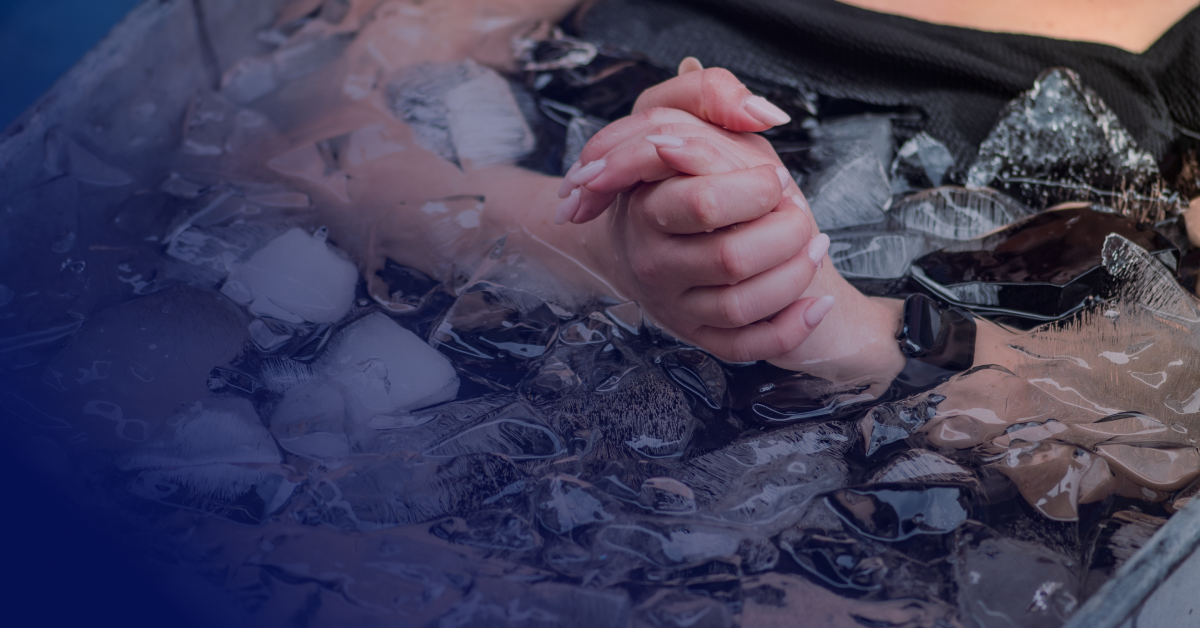
Many athletes jump into an icy tub after a workout game. But is the ice bath doing more harm than good?
At a time when most New Yorkers bundle up to fend off the cold, members of the Polar Bear Club plunge into the icy waters off of Coney Island. The group’s New Year’s Day dive in the frigid ocean has become an annual tradition. They also do it for fun every Sunday between November and April.
Many athletes and fitness enthusiasts have adopted the same custom of soaking in an ice bath after a vigorous workout. Instead of for fun, they believe the cold water soothes sore muscles, promotes healing, and increases athletic performance. Is that true? As with any health trend, ice bath benefits and drawbacks are open to debate.
Ice bath benefits
Advocates of cold water therapy, or cryotherapy, tout its healing properties following high-intensity exercise. One study of soccer players found ice therapy along with cool-down exercises after a game restored the athletes’ agility, speed, and power. A plunge into an ice-filled tub can produce beneficial outcomes.
- Reduces inflammation. The shock of the cold water decreases blood flow to the muscles and reduces post-workout swelling and inflammation.
- Decreases soreness. Icing can tamp down delayed onset muscle soreness (DOMS) after a workout.
- Boosts mood. Many athletes report heightened mental alertness and less fatigue as the cold water releases endorphins and noradrenaline in the body.
Ice bath drawbacks
Before you do like the Polar Bears, consider the potential downsides of slipping into a chilly tub. The practice may not be right for everyone.
- Interferes with muscle healing. Intense exercise causes tiny tears in the muscles. Resting gives the muscles a chance to heal and become stronger. Cold temps interfere with that metabolic process and could cancel any gains made in strengthening your muscles.
- No performance gains. Research on whether ice baths boost athletic performance is either mixed or inconclusive. One study indicated ice baths may hinder resistance or strength training, while having no effect on aerobic exercise performance. One tip: Wait 24 to 48 hours after a training session to dip into an ice bath to maintain any gains in muscle strength.
- Potential risks. People with cardiovascular conditions or poor circulation could be harmed by ice baths. Extreme cold may also lead to hypothermia or frostbite.
How to ice bathe safely
Ice baths can be helpful in immediately taking down post-workout soreness. And you don’t have to join the Polar Bears for a dip into a frigid waterway. You can do it at home by filling your bathtub with cold water and ice and following safety precautions.
- Set the temp. The water temperature should be between 60 and 50 degrees fahrenheit.
- Start slow. Only soak for 30 seconds or less when you first take the plunge. Increase your time as your body becomes more accustomed to the chilly temperatures, but never soak more than 20 minutes.
- Mix in other recovery methods. Ice baths work best when part of an overall active recovery plan that includes lower-intensity exercises (walking, biking, stretching). Alternate with hot therapy to relax muscles and increase circulation.
Talk to us before you take the plunge
Before you dip into frosty water, consult with one of the qualified physical therapists at All Sports Physical Therapy. We can discuss the benefits of ice therapy and how to do it effectively for pain relief and recovery. Schedule an appointment today.
FAQ
Are ice baths good for you?
Ice baths are effective in reducing muscle soreness and swelling after an intense workout. The jolt of frigid temps can energize your mind and body.
Any disadvantages to ice baths?
Yes, there are several. Ice baths can interfere with the natural process of muscle healing after exercise. No conclusive evidence supports the use of ice baths to boost athletic performance.
Any potential dangers to ice baths?
Ice baths are not recommended for those with cardiovascular disease or poor circulation. Too-cold temperatures may also cause hypothermia or frostbite.
How can I do an ice bath safely?
Never plunge into water colder than 50 to 60 degrees fahrenheit. Limit your time to a minute when you first start the therapy, and gradually build up your tolerance. Never stay longer than 20 minutes. Talk to a physical therapist about how to safely dip in icy water once your workout is finished.